
As an Amazon Associate, I earn commissions from qualifying purchases. As an eBay Partner I may be compensated if you make a purchase through my affiliate links. Disclosure Policy.
Imagine a world where machines take to the skies, flying effortlessly above us and performing tasks that were once unimaginable. This is the world of drones and unmanned aerial vehicles (UAVs). From their humble beginnings as remote-controlled model planes to their current status as technological marvels, the history of drones is both fascinating and ever-evolving. Join us on a journey through time as we explore the key milestones and advancements that have shaped the incredible history of drones and UAVs. Get ready to soar through the skies of innovation and discovery!
Ancient Origins of Drones
Early Concepts of Aerial Observation
The concept of using unmanned aerial vehicles, or drones, for aerial observation dates back centuries. In ancient China, for example, inventors and explorers developed kites equipped with cameras to capture images of enemy territories. These early surveillance techniques paved the way for future advancements in drone technology.
China’s Use of Early Unmanned Aerial Vehicles
China can be credited with some of the earliest use of unmanned aerial vehicles. During the 13th century, the military strategist Wan Hu attempted to launch himself into the sky using rockets and a chair. While his endeavor was not successful, it demonstrated the ambition and innovation of early UAV experimentation in China.
The Birth of Modern Drones
Early Experiments with Remote-Controlled Aircraft
The late 19th and early 20th centuries marked a turning point in the development of modern drones. Inventors such as Nikola Tesla and Elmer A. Sperry began experimenting with remote-controlled aircraft. Their work laid the foundation for the technology that would eventually lead to the creation of unmanned aerial vehicles as we know them today.
Aerial Target Drones in World War I
World War I played a significant role in the advancement of drone technology. Aerial target drones were developed and used by both the Allies and the Central Powers for training purposes. These early drones allowed pilots to practice aerial combat tactics, leading to improved effectiveness in real combat situations.
Emergence of Unmanned Aerial Vehicles in World War II
It was during World War II that unmanned aerial vehicles truly emerged as tactical tools. The German military developed the V-1 flying bomb, an early form of cruise missile, which was used for targeted attacks on enemy cities. Similarly, the United States’ “Missile XQ-10” project aimed to create a drone capable of delivering bombs accurately and autonomously.
Advances in Drone Technology
Development of Guided Missiles and Cruise Missiles
The post-World War II era saw significant advancements in drone technology. The development of guided missiles and cruise missiles further expanded the capabilities of unmanned aerial vehicles. These precision-guided weapons were capable of autonomously navigating to their targets, greatly enhancing military capabilities.
Rapid Advancements in Drone Technology During the Cold War
The Cold War era witnessed rapid advancements in drone technology. Both the United States and the Soviet Union actively pursued the development of unmanned aerial vehicles for reconnaissance and surveillance purposes. Furthermore, the use of drones in the Cold War showcased their ability to gather critical intelligence without putting human lives at risk.
Military Applications of Drones
Surveillance and Reconnaissance Drones
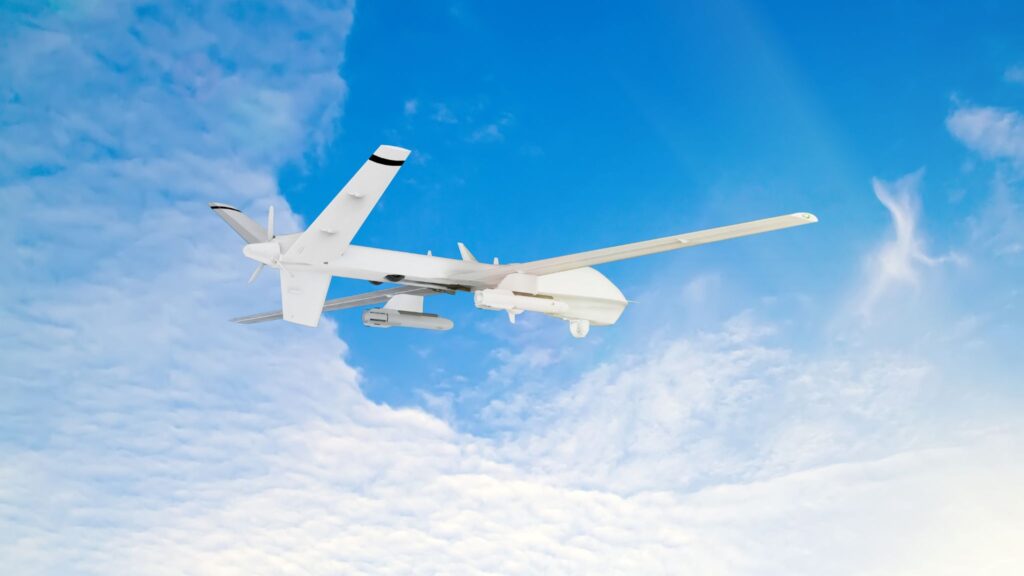
Perhaps the most well-known military application of drones is in the field of surveillance and reconnaissance. Unmanned aerial vehicles equipped with high-resolution cameras and advanced sensor technology can gather real-time imagery and data from enemy territories, providing valuable intelligence to military forces without exposing personnel to unnecessary risks.
Weaponized and Combat Drones
In recent years, the military has increasingly utilized weaponized and combat drones. These drones are equipped with missiles, bombs, and other offensive capabilities, allowing for targeted strikes against enemy positions. The precision and precision of these drones have proven to be vital in military operations, reducing collateral damage and minimizing the risk to troops.
Drone Strikes and Targeted Killing
The use of drones for targeted killing has sparked intense ethical debates. Critics argue that the remote nature of drone operations can lead to increased civilian casualties and an erosion of accountability. However, proponents argue that drones provide a more targeted and precise means of eliminating high-value targets, ultimately reducing the overall loss of life in military conflicts.
Civilian and Commercial Uses
Agricultural Drones and Crop Monitoring
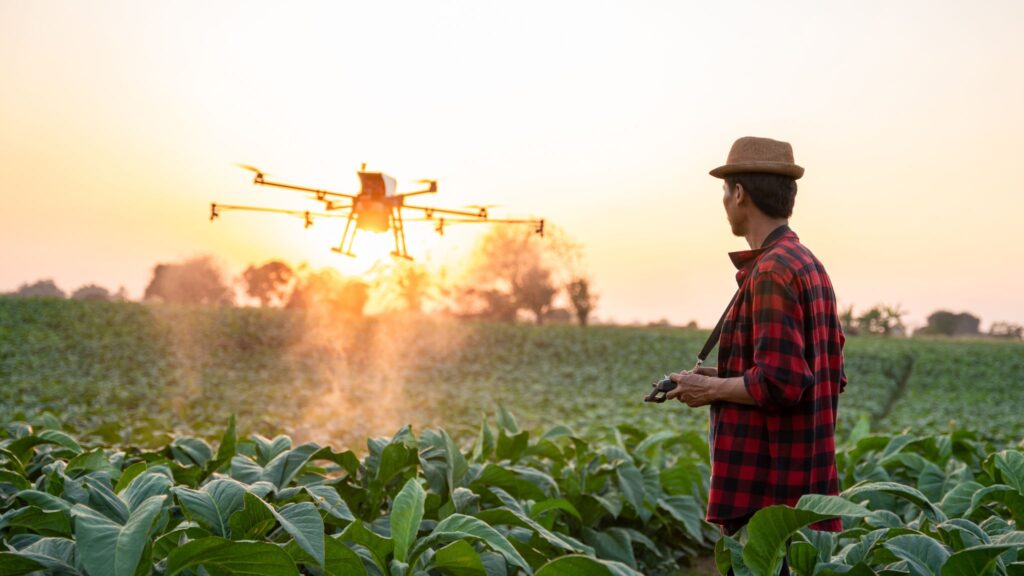
Drones have found various applications outside of the military sphere. In agriculture, drones can be used for crop monitoring, providing farmers with valuable insights into plant health, irrigation, and pest control. By capturing aerial imagery and data, agricultural drones enable farmers to make more informed decisions and optimize their crop yield.
Delivery and Transportation Drones
One of the most exciting potential applications of drones is in the field of delivery and transportation. Companies like Amazon and UPS are exploring the use of drones for last-mile delivery, envisioning a future where packages can be delivered quickly and efficiently through the air. Drones also have the potential to revolutionize medical transportation, allowing for rapid delivery of essential supplies to remote or inaccessible areas.
Filmmaking and Photography Drones
Drones have become essential tools in the filmmaking and photography industries. With their ability to capture stunning aerial shots and perspectives that were once only possible with expensive helicopter rentals, drones have democratized aerial cinematography. Filmmakers and photographers can now capture breathtaking footage and images, adding a new level of creativity to their projects.
Drone Regulations and Legal Issues
Regulatory Measures for Drone Operations
As the prevalence of drones continues to increase, governments worldwide have implemented regulatory measures to ensure the safe operation of these unmanned aerial vehicles. These regulations address various aspects, such as drone registration, pilot certification, flight restrictions, and privacy concerns. Striking a balance between enabling innovation and ensuring public safety remains an ongoing challenge for regulators.
Privacy Concerns and Surveillance Laws
The widespread use of drones raises significant privacy concerns. With their ability to capture high-resolution imagery and surveil large areas, drones have the potential to infringe upon individuals’ privacy rights. As a result, many countries have implemented surveillance laws that govern how drones can be used for data collection and impose restrictions on invasive surveillance practices.
Drones in Disaster Response and Infrastructure Monitoring
Search and Rescue Drones
Drones have proven to be invaluable tools in disaster response efforts. Equipped with thermal cameras and other sensors, search and rescue drones can locate missing persons, assess disaster damage, and identify potential hazards. These drones provide critical situational awareness to first responders, enabling more efficient and targeted rescue operations.
Monitoring and Inspecting Critical Infrastructure
Drones play a vital role in monitoring and inspecting critical infrastructure such as bridges, power lines, and pipelines. Equipped with high-resolution cameras and advanced imaging technologies, drones can quickly and efficiently survey infrastructure for damage or potential issues. This allows for proactive maintenance and timely repairs, ensuring the safe and reliable operation of crucial systems.
Emerging Technologies and Future of Drones
Autonomous and Artificial Intelligence (AI) Capabilities
Advancements in autonomous and artificial intelligence (AI) technologies are driving the future of drones. These technologies enable drones to operate independently, making decisions and adapting to changing environments in real-time. Autonomous drones have the potential to revolutionize various industries, from transportation and delivery to surveillance and agriculture.
Advancements in Battery Life and Energy Efficiency
One of the key limitations of drones has been their limited battery life and flight duration. However, advancements in battery technology and energy efficiency are rapidly changing this landscape. Longer flight times and improved energy storage capabilities will significantly enhance the capabilities and applications of drones in the future.
Urban Air Mobility and Flying Taxis
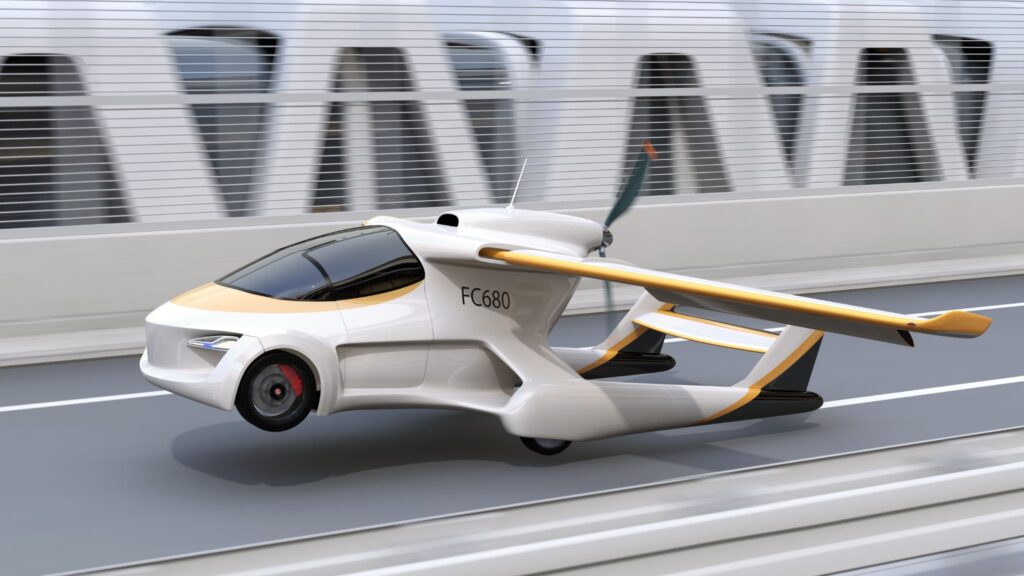
The concept of urban air mobility and flying taxis is becoming a reality with the advancement of drone technology. Companies like Uber and Airbus are investing in the development of electric vertical takeoff and landing (eVTOL) vehicles, which combine the capabilities of drones with passenger transport. These innovations have the potential to transform urban transportation, reducing traffic congestion and increasing mobility options.
Challenges and Ethical Considerations
Safety and Security Concerns
As drones become more prevalent, safety and security concerns become increasingly important. The risk of drone collisions with manned aircraft, unauthorized access to sensitive airspace, and the potential for malicious use pose significant challenges. Governments, industry stakeholders, and regulatory bodies must work together to develop robust safety protocols and implement effective security measures.
Impacts on Employment and Labor Markets
The rapid adoption of drones in various industries has raised concerns about potential job displacement. Automating tasks traditionally performed by humans can lead to job loss in certain sectors, requiring individuals to adapt and acquire new skills. The transition to a drone-driven economy will necessitate proactive measures to address these labor market challenges and ensure a smooth transition for affected workers.
Ethical Use of Drones in Warfare
Perhaps one of the most pressing ethical considerations surrounding drones is their use in warfare. The remote nature of drone operations raises questions about the emotional detachment of operators and the potential for dehumanization. Additionally, the accountability and legal framework surrounding drone strikes are subjects of intense debate. Striking a balance between military effectiveness and ethical use of drone technology remains a significant challenge.
Conclusion
From their ancient origins as early concepts of aerial observation to their modern-day applications in military, civilian, and commercial sectors, drones have come a long way. The timeline of drone development reflects the constant drive for innovation and the desire to push the boundaries of what is possible. As drones continue to evolve and become more integrated into our daily lives, it is crucial to address the challenges and ethical considerations that come with their use. By doing so, we can harness the full potential of drones while ensuring their safe and responsible integration into our society.
UK-based drone owners must adhere to the Civil Aviation Authority's drone flying code available here: https://www.caa.co.uk/drones/
Amazon and the Amazon logo are trademarks of Amazon.com, Inc, or its affiliates.
Users of this Website should conduct their own research and exercise their own judgment before making any purchasing decisions based on the information provided on this Website.
Please review our Disclosure Policy